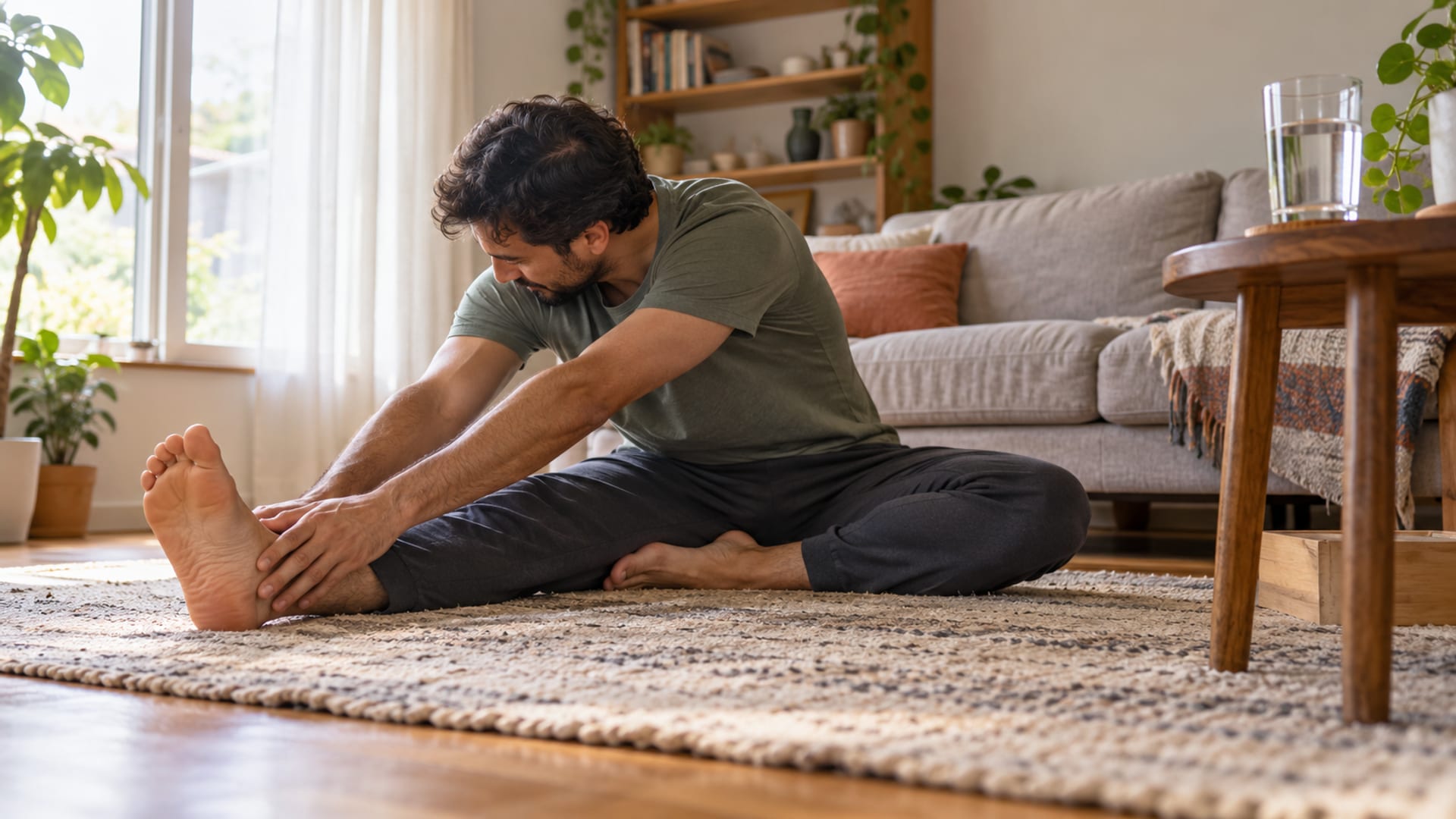
It's ten minutes after a long day, and nothing in the house needs you for the moment. You could scroll, or you could do one small thing for yourself. Try a glass of water and five minutes outside. Or send one person a text that says, "Thinking of you, no reply needed." Or set out tomorrow's clothes and leave your phone in another room.
None of those costs anything, and none needs a free weekend. They are the kind of ordinary ideas that fill the rest of the page: what self-care means in plain words, ideas sorted by the time you have, versions for shift work, young children, caring for someone and living alone, and a printable menu you can fill in.
- Start tiny One five-minute action counts.
- Match the time you have Five minutes, an hour or a free afternoon each have options.
- Free is enough Walks, library books, a phone call and a regular bedtime cost nothing.
- Attach it to your day Tie it to something that already happens, with a backup for hard days.
- Know when to ask for help Self-care supports you; it does not replace a doctor or counselor.
What self-care means, with five quick examples
Self-care is looking after your body and mind in ordinary ways. It means noticing what you need, keeping up with people who support you, and asking for help when you need more than you can give yourself. The World Health Organization describes it as the things people do to promote health, prevent illness and cope with it, with or without a health worker.
It is not a luxury, and it does not need products. A nap, a hot meal and a phone call all count. Ideas should also fit your own body and life, so adjust anything below for health conditions, mobility, pain and safety.
A simple way to sort the ideas is by type: physical, emotional, mental, social and practical. Some guides add a spiritual type for readers who want it. Each one has an everyday example.
- Physical: drink water and step outside.
- Emotional: name the feeling out loud, even if it's just "tired and cranky."
- Mental: put tomorrow's one big task on paper so it stops circling.
- Social: send a voice message to a friend.
- Practical: clear one small surface, like the kitchen counter.
Ideas for a five-minute day
Some days all you get is a gap between two other things. Five minutes is enough to change how the next hour feels, even if it won't fix a hard week.

On the body side, drink a glass of water, wash your face, stretch your neck and shoulders, or walk once around the building. For your feelings, try naming what you feel in a few words, or write one sentence about what is hard right now. Slow breaths and one calming song both fit in the time it takes to boil a kettle. If your mind is loud, silence notifications, read a few pages of something, or look around and find five things you can see.
Connection can be tiny too. "Thinking of you, no reply needed." takes ten seconds and asks nothing back. A quick thank-you to a coworker or a voice note to a sibling counts the same way. For the practical side, check tomorrow's schedule and set out your clothes tonight, so the morning starts with one decision already made.
An hour, or a free afternoon
With an hour, you have room for something a little longer. Take a walk, or follow a free stretching video. Cook a simple meal, or call a friend and actually listen to the answer. Journal about whatever is on your mind, or spend the time on a hobby you like. Doing something with your hands, such as drawing, sewing, gardening or baking, counts as self-care, even if the result is nothing special.
A free afternoon opens up more. A library card and a park already cover a lot: borrow a book, an audiobook or a movie, then walk somewhere green on the way home. Batch-cook a few basic meals so the next few evenings are easier. Look for a free community event, a walking group or a volunteer shift if you want to be around people without spending anything.
Emotional care belongs here too. A longer stretch is a good time to write down what's been stressful and one possible next step, or to talk with someone you trust about how the week has gone. You don't have to solve anything. Saying it out loud to a person who cares is often enough for one afternoon.
On a day when you have no energy at all, doing nothing is allowed. Rest is also self-care.
Your self-care menu
Seeing the options in one place makes them easier to pick from. This menu groups ideas by time and by type, and every item is free or close to it.
| Type | Five minutes | One hour | Free afternoon |
|---|---|---|---|
| TypePhysical | Five minutesDrink water, stretch gently, step outside | One hourWalk or follow a free stretching video | Free afternoonWalk in a park, cook several basic meals |
| TypeEmotional | Five minutesName the feeling, take slow breaths | One hourJournal, talk with someone you trust | Free afternoonSpend time somewhere calm, meet someone supportive |
| TypeMental | Five minutesPut one task on paper, silence notifications | One hourRead, plan the week | Free afternoonVisit the library, work on a creative project |
| TypeSocial | Five minutesText someone, send a voice message | One hourCall a friend, join a free online group | Free afternoonVisit family or friends, attend a free community event |
| TypePractical | Five minutesClear one small surface, check tomorrow's schedule | One hourHandle one bill or appointment, tidy one essential area | Free afternoonBatch-cook, make a low-cost weekly plan |
The printable self-care menu
Five-minute, one-hour and free-afternoon ideas by type, with room for your own picks and a short checklist. Enter your email, click the link we send you, and the download is yours.
You will also get new guides by email. You can unsubscribe whenever you like.
To use it, pick one thing from one column. Then tie it to something you already do, such as after brushing your teeth, when the kids nap, or right after your shift ends. A cue like that works better than a promise to "find time." Decide where it will happen, and leave your walking shoes by the door or your water bottle where you'll see it. If you plan to write "I will stretch for five minutes after I brush my teeth," put it somewhere visible.
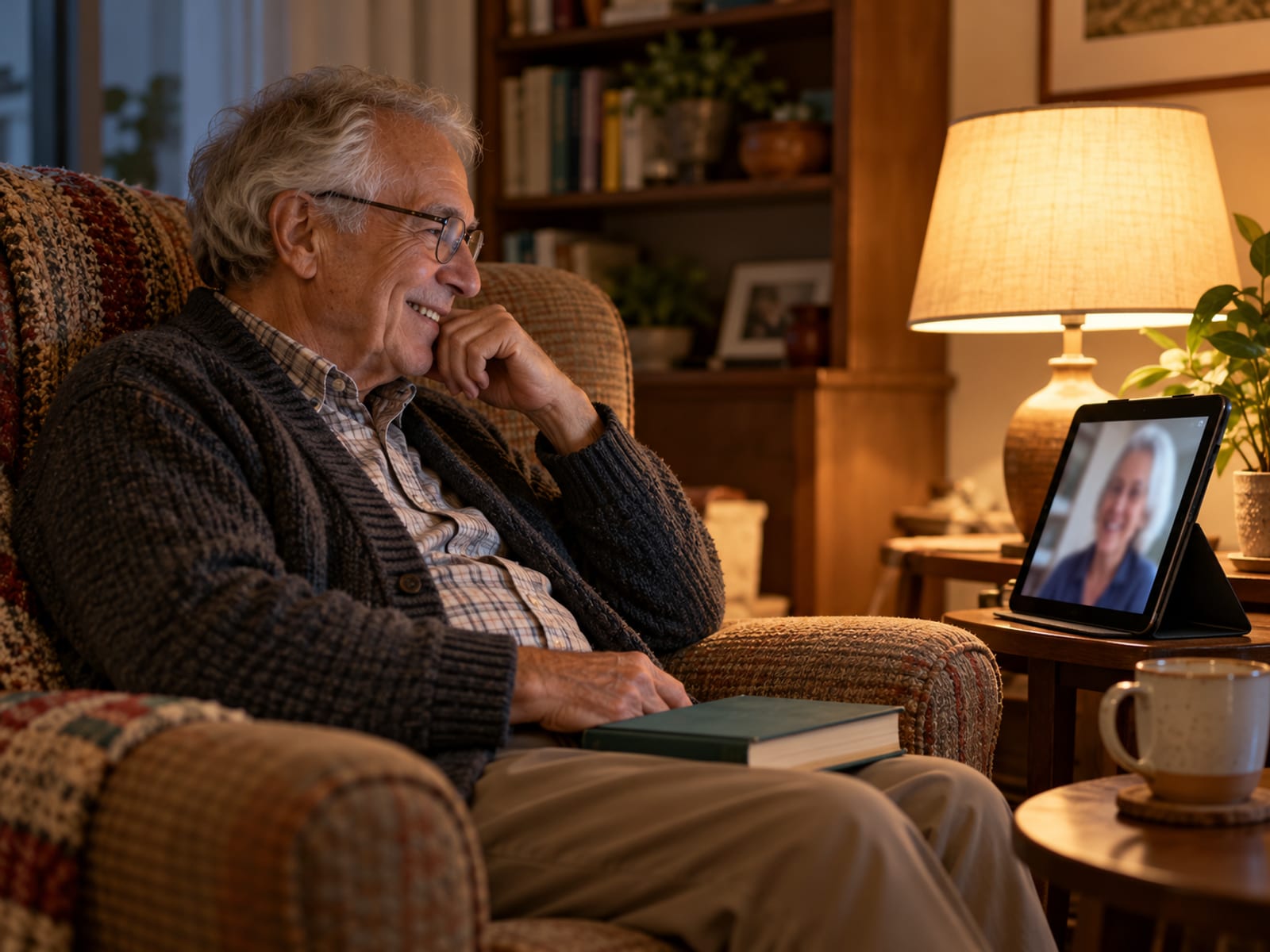
Keep a smaller backup version for your hardest days. It might be water, food, any medication you take, five minutes outside, or one message to someone. Longer ideas can go on the calendar like an appointment, so they don't get squeezed out. Once a week, look back and keep only what felt realistic. A plan should lighten your week, not become one more standard to fail.
1. You work night shifts. What is the steadiest cue for a short wind-down?
2. You have ten spare minutes before the kids wake up. What fits?
3. You've felt unable to cope for weeks. What is the best next step?
4. Which of these needs no money at all?
When life is not roomy
Some weeks leave no room, and the ideas above need small changes to fit.
If you work shifts, protect one main sleep period when you can. Make the room dark, quiet and cool, and keep a short wind-down after work, such as washing up and dimming the lights. Tell the people you live with when you are sleeping so they can help guard that time. A sleep guide written for NHS staff covers daytime sleep, darkness and noise in more detail.
If you have young children, use very small windows rather than waiting for a full free day. You could trade two 20-minute breaks a week with a partner or a relative, one of you walking or resting while the other handles the kids. Ask for one specific task, not general help: "Could you take the kids on Saturday morning so I can walk for an hour?" is easier to say yes to than "I need a break."
If you care for someone, name one task another person could cover and ask for it directly. Use the time you gain for food, rest or your own appointment. Tell your own doctor that you provide care. The CDC points out that respite, even a few hours a week, can support caregivers, though what's available depends on where you live.
If you live alone, a weekly call with someone you trust gives the week a shape. A library, a community group or a free class puts other people in your path. A short list of names to contact on quiet evenings helps when the house feels too still.
If this stretch of life is heavy for a particular reason, such as a breakup, the guide on how to get over a breakup may help.
The basics that carry the most weight
Four things do most of the work: sleep, movement, time outdoors and people. They are not glamorous, and they are mostly free.

For sleep, the CDC says most adults need at least seven hours. If you can't get there, protecting a regular sleep window is a good place to start. For movement, any amount counts, and WHO says adults can build up activity in small amounts across the week, so a ten-minute walk is a real contribution.
Time outdoors can be gentle. A walk in a green space is an easy, low-cost option when it is safe for you and close enough to reach. Time with people counts as well, and the CDC says supportive social connection goes along with better mental and physical health. The word that matters there is supportive. A relationship that is unsafe or draining isn't self-care, and stepping back from it can be.
When self-care is not enough
Self-care supports you, but it doesn't replace help. If low mood, worry or stress lasts about two weeks or more, gets worse, or starts getting in the way of work, relationships or everyday tasks, talk to a doctor, a counselor or another health professional. The same goes for sleep problems that keep going, or for leaning on alcohol or drugs to get through the week. The NIMH guide to knowing when to get help lays out these signs in plain terms.
If you feel hopeless or unsafe, reach out to local emergency services or a crisis service, and tell someone you trust. You don't have to wait until it's "bad enough." If you're wondering how to love yourself when everything feels heavy, the kindest step is often to let a professional in. For stress that is more everyday, these ways to manage stress are a good place to start.
Questions people ask
These are the questions that come up most often, answered short.
What are some free self-care ideas?
A walk, a library book, a phone call, a glass of water and a regular bedtime all cost nothing. A free stretching video or a community event works too. Pick the one that fits the time you have today.
What are five things you can do for self-care?
Drink water and step outside, name how you feel, put one task on paper, send a message to a friend, and clear one small surface. Those cover the body, the emotions, the mind, your people and your space, in about five minutes each.
What are the types of self-care?
The common ones are physical, emotional, mental, social and practical. Some guides also include a spiritual type. They are just a way to notice what's missing in your week, such as plenty of tasks done but no time with friends.
What can I do for self-care if I only have five minutes?
Choose one small thing: water, a short stretch, a few slow breaths, one text. Attach it to something you already do, like after brushing your teeth, so you don't have to remember it. Done is better than perfect here.
How do I calm down when I feel overwhelmed?
Slow your breathing, step outside for a few minutes, and put one task on paper so it's out of your head. Then tell someone you trust how you're feeling. If it keeps happening, see the section above on when to ask for help.
How can I do self-care on a tight budget?
Lean on what's already free: your library card, a nearby park, a walk with a neighbor, a home-cooked meal and a regular sleep window. Products are fine if you like them, but they are never required. The menu above is built around free options.
One thing to try this week
For this week, choose one idea from the menu that takes five minutes or costs nothing. Tie it to something you already do, fill in the printable menu if you like, and keep a smaller backup for your hardest day. At the end of the week, look back and keep what felt realistic. If you want to turn one idea into a real goal with a review date, personal development goals walks through how. If a rough patch has gone on for weeks, a doctor or counselor is a good next stop. Motivation Facts has more like this in the Self-Care and Wellbeing section, and you can reach us any time through the contact page.
Self-care. The ordinary things you do to look after your body and mind, from sleep and food to calling a friend and asking for help.
Physical self-care. Looking after your body through rest, food, water, movement and fresh air.
Emotional self-care. Noticing and naming what you feel, and giving it a little room.
Social self-care. Staying in touch with people who support you.
Practical self-care. Small jobs that make life easier, like checking tomorrow's schedule or batch-cooking.
Backup version. A smaller version of your plan for a hard day, such as water, food and one message.
Respite. A planned break for someone who cares for another person.