
You are looking at a skills line on a résumé, or a job ad that says "strong communicator," and you are not sure what to write. Three plain examples, from three kinds of work, show how it works. Repeat a customer's request back in your own words before you answer. Tell the next shift what is half finished so nothing is done twice. Pause before replying to an angry message.
Those are all soft skills, and none of them needs a desk, a degree or a big personality. They are ordinary things people do that you can notice, practise and describe.
Below you will find a long list of soft skills with an everyday example for each, a one-line way to tell them from hard skills, and ideas for practising one this week. After that come ways to show them on a résumé and in an interview, and examples from jobs without desks.
- Soft and hard work together Most jobs need both, and a nurse, a mechanic and a retail worker use them side by side every day.
- Pick one behaviour Practise one small, visible action instead of trying to improve "soft skills" in general.
- Lists differ Each top-skills list comes from a different group, year and industry, so the job description is your best guide.
- Show it with an action Swap the adjective for what you did and what happened.
- Start small this week Five minutes, a free afternoon or no money at all can be enough to begin.
Soft skills and hard skills, in one minute
Soft skills are behaviours you carry from job to job, such as communicating, working with others, solving problems, organising your time and adjusting when plans change. People build them at school, at work, at home and in the community. Hard skills are job-specific know-how, like using a till system, wiring a socket, driving a forklift, running accounting software or taking a blood pressure reading. The UK National Careers Service draws the same line between the two.
Most jobs ask for both. A nurse needs clinical knowledge and clear explanations, a mechanic needs technical know-how and good teamwork, and a retail worker needs product knowledge and patience with customers.
| Feature | Soft skills | Hard skills |
|---|---|---|
| FeatureMain meaning | Soft skillsBehaviours and abilities you use across jobs | Hard skillsTechnical or job-specific knowledge |
| FeatureExamples | Soft skillsCommunication, teamwork, adaptability, problem solving | Hard skillsCoding, bookkeeping, welding, clinical procedures |
| FeatureWhere they appear | Soft skillsWork, school, volunteering and daily life | Hard skillsTraining, qualifications, practice and job tasks |
| FeatureHow to show them | Soft skillsSpecific actions and results | Hard skillsTools used, qualifications and tasks completed |
| FeatureHow to practise | Soft skillsFeedback, teamwork, public-facing activities and reflection | Hard skillsCourses, supervised practice and repeated technical tasks |
If you read Spanish-language job ads, you may see these called habilidades blandas. They are "soft" because they are about how you work with people and situations rather than a particular tool or machine. The same idea also goes by other names, including competencias transversales, competencias genéricas and habilidades socioemocionales. One university, Universidad Carlos III de Madrid, describes transversal competencies as skills, abilities and attitudes that matter in working life whatever your degree.
A long list of soft skills, with an everyday example each
You do not need every skill on this list, and nobody is checking you against it. Lists of 7, 10 or 20 soft skills are simply different ways of cutting the same pool, so read down the table and notice which lines already sound like you.
| Soft skill | What it looks like on an ordinary day |
|---|---|
| Soft skillCommunication | What it looks like on an ordinary dayExplain a delayed order clearly and confirm the next step. |
| Soft skillActive listening | What it looks like on an ordinary dayRepeat a customer's request in your own words before responding. |
| Soft skillTeamwork | What it looks like on an ordinary dayShare information with the next shift so work is not duplicated. |
| Soft skillCollaboration | What it looks like on an ordinary dayCombine a coworker's practical knowledge with your own technical knowledge. |
| Soft skillProblem solving | What it looks like on an ordinary dayWork out why a process keeps causing errors and suggest a fix. |
| Soft skillCritical thinking | What it looks like on an ordinary dayCompare reliable information before making a decision. |
| Soft skillAdaptability | What it looks like on an ordinary dayLearn a revised procedure after the workplace changes its software. |
| Soft skillFlexibility | What it looks like on an ordinary dayMove to a different task when priorities change. |
| Soft skillTime management | What it looks like on an ordinary daySort urgent and important tasks before starting the day. |
| Soft skillOrganisation | What it looks like on an ordinary dayKeep tools, records or files arranged so others can find them. |
| Soft skillReliability | What it looks like on an ordinary dayArrive prepared and finish an agreed task on time. |
| Soft skillAttention to detail | What it looks like on an ordinary dayCheck names, quantities or measurements before submitting work. |
| Soft skillEmpathy | What it looks like on an ordinary dayNotice that a customer is confused and adjust the explanation. |
| Soft skillEmotional self-management | What it looks like on an ordinary dayPause before replying to an angry message. |
| Soft skillConflict management | What it looks like on an ordinary dayTalk through a disagreement privately and keep it about the work. |
| Soft skillRespect for difference | What it looks like on an ordinary dayAdjust how you communicate for different backgrounds, languages or abilities. |
| Soft skillLeadership | What it looks like on an ordinary dayCoordinate a small task, clarify who does what and follow up. |
| Soft skillInitiative | What it looks like on an ordinary dayNotice a recurring problem and propose a practical improvement. |
| Soft skillAccountability | What it looks like on an ordinary dayTell a supervisor promptly when a mistake affects a deadline. |
| Soft skillDecision making | What it looks like on an ordinary dayLook at the options and explain the reason for your choice. |
| Soft skillCreativity | What it looks like on an ordinary dayFind a new way to present information or get past a recurring obstacle. |
| Soft skillService orientation | What it looks like on an ordinary dayAsk what outcome the customer needs before recommending an option. |
| Soft skillLearning agility | What it looks like on an ordinary dayAsk questions and practise a new skill until you can use it safely. |
| Soft skillProfessionalism | What it looks like on an ordinary dayBe prepared, respectful, dependable and attentive to quality. |
| Soft skillGiving feedback | What it looks like on an ordinary dayDescribe a specific behaviour and its effect, then suggest a next step. |
| Soft skillReceiving feedback | What it looks like on an ordinary dayAsk for an example and try the suggestion on the next similar task. |
| Soft skillNegotiation | What it looks like on an ordinary dayFind a workable arrangement when two people need the same resource. |
| Soft skillMentoring | What it looks like on an ordinary dayShow a newer coworker how to complete a task and why it matters. |
| Soft skillPresentation | What it looks like on an ordinary dayGive a short, structured update to a group. |
| Soft skillResilience | What it looks like on an ordinary dayRecover from a setback, note what you learned and carry on. |
Which ones employers ask for most
There is no single ranking, because every list comes from a different group of people, a different year and a different line of work. That is why two articles can name different "top" skills and both be right about their own source.

The World Economic Forum's Future of Jobs Report 2025 asked employers about their workforces and put analytical thinking, resilience and flexibility, leadership and social influence, creative thinking, and motivation and self-awareness at the top of its core skills. NACE, an association of colleges and employers, names communication, teamwork, professionalism, critical thinking and leadership among its career-readiness competencies.
For a particular job, the best list is the job description itself. The words it uses are the ones to look for in your own experience, whether that experience comes from paid work, volunteering, school or home. A skill on a list is not a promise of a job or a raise; it is a way of knowing what to point to.
Practise one this week
Choose one behaviour you can see yourself doing, rather than "improving my soft skills" in general. "Say back what the other person asked before I answer" is a behaviour. "Be a better communicator" is a wish.
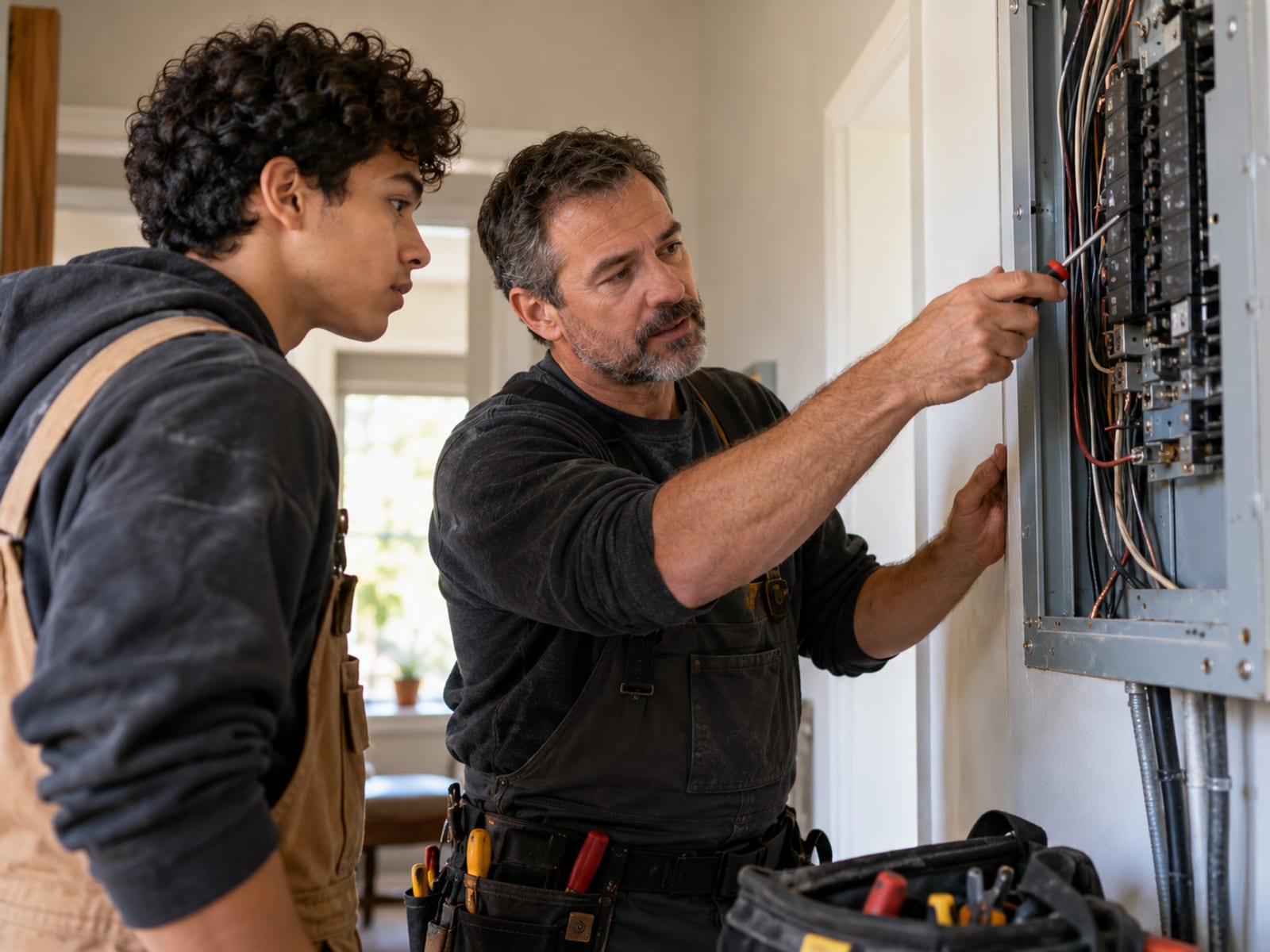
If you have five minutes a day, end one email with a single clear request, or sum up what someone told you before you share your own view in one conversation. If you have a free afternoon, organise a small task for a group, like a stock count, a shared meal or a neighbourhood event, or have a short chat with someone who works in a field you like and bring two questions.
If you have no money to spend, a library group, sports team, language exchange or community project all give you practice, as does sharing the planning of meals or bills at home. If large groups drain you, start with written messages, one-to-one conversations or a small, structured volunteer role. Being outgoing is not the goal.
Feedback speeds things up. Try asking, "What is one thing I could make clearer or more useful?" Then thank the person, ask for an example and try the suggestion next time. Our guide on how to ask for feedback at work has more wording to borrow, and how to take criticism at work can help if feedback is hard to hear. For building any skill in small steps, see how to learn a new skill.
The UK National Careers Service suggests meeting new people, volunteering with the public, joining team activities and taking on challenges outside your usual routine as ways to build these skills.
Monday
Pick one behaviour and write it as one sentence.
Tuesday
Use it in one ordinary moment, such as a message or a chat at work.
Wednesday
Use it again and notice how the other person responds.
Thursday
Use it once more, then jot down what felt easy and what felt awkward.
Friday
Ask one person for one piece of feedback with "What is one thing I could make clearer or more useful?"
Weekend
Note what worked and decide what to try next week.
Soft skills in jobs without desks
Soft skills show up wherever people work with other people, which is nearly everywhere. A grocery worker who hears that a customer cannot find an ingredient and walks them to the shelf is using listening and service. A driver who texts a delay before the customer has to ask is using communication and accountability. A cleaner who reports a wet floor clearly to the next shift is using teamwork and attention to detail.
| Job area | What it looks like |
|---|---|
| Job areaRetail | What it looks likeListen to what a customer needs, explain the difference between products and handle a return calmly. |
| Job areaHospitality | What it looks likeNotice a guest's concern and pass a change along to the kitchen or housekeeping. |
| Job areaHealth care | What it looks likeExplain instructions in plain language, listen carefully and coordinate with the care team. |
| Job areaConstruction and trades | What it looks likeAsk for clarification before a risky task and report a problem early. |
| Job areaWarehousing and delivery | What it looks likePut urgent orders first, share delays and adjust when routes or stock change. |
| Job areaChildcare and education support | What it looks likeObserve what each child needs, talk with families and adapt activities. |
Soft skills sit beside licences, safety training and trade skill, and they never replace them. What they do is help you use that technical knowledge well with coworkers, customers, patients and the public.
Showing them on a résumé
Swap the adjective for the action. A line like "Excellent communication and teamwork skills" tells a reader very little. Compare it with "Coordinated weekly updates among four volunteers, clarified who did what and helped deliver a community event on schedule." The second one shows what you did and what came of it.

A handy pattern is action, then task, then the skill you showed, then the result. A few lines to borrow and reshape with your own true details: trained two new coworkers on the closing checklist and wrote a one-page guide; adjusted the plan after a supplier delay and finished the priority orders on the new deadline. Paid work, volunteering, school projects, caregiving and personal projects all count when they are true. Only add a number if it is real.
UC Berkeley's career centre makes the same point about showing evidence rather than labels, and the pattern works in any language, including a Spanish CV.
| Instead of | Try |
|---|---|
| Instead ofExcellent communication skills | TryResolved customer billing questions by checking account details and explaining the options clearly |
| Instead ofTeam player | TryTrained two new coworkers on the closing checklist and wrote a one-page guide |
| Instead ofOrganised | TryReorganised a shared filing system so the team could find current forms quickly |
| Instead ofGood under pressure | TryAdjusted the work plan after a supplier delay and finished the priority orders on the revised deadline |
| Instead ofReliable | TryOpened the shop on schedule for a full season and handed over a clear note at every shift change |
Showing them in an interview
Many interviewers ask about a time you did something, and a simple shape helps: STAR, which stands for situation, task, action and result. Say what the situation was, what you were responsible for, what you personally did and what happened. UC Berkeley's interview guidance covers behavioural questions and this approach.
Say a customer queue grew after a delivery arrived late. You needed to help customers while the team processed the delivery. You explained the delay, grouped similar requests and asked a coworker to handle returns while you took new orders. The queue moved steadily, customers understood the delay and the team finished the delivery before closing.
Common behavioural questions sound like these:
- "Tell me about a time you solved a problem."
- "Describe a disagreement with a coworker."
- "Give an example of adapting to change."
- "Tell me about a time you received difficult feedback."
- "Describe a time you helped a team meet a deadline."
Talk about your own part without claiming the whole team's credit, and practise out loud without memorising a script so tightly that it sounds stiff. If the evidence is for a review rather than a new job, the guide on writing a performance review self-assessment uses the same idea.
1. Which résumé line shows teamwork?
2. Which of these is a soft skill rather than a hard skill?
3. What does STAR stand for?
4. Two lists of top skills disagree. What is a sensible next step?
Questions people ask
What are soft skills?
Soft skills are behaviours you use across many jobs, like listening, teamwork, problem solving and managing your time. You can see them in the long list above, each with an everyday example.
What is the difference between soft skills and hard skills?
Soft skills are behaviours you carry between jobs, while hard skills are the job-specific know-how, such as using a till or reading a technical drawing. Most jobs use both together, so you rarely have to choose.
What are the most important soft skills?
It depends on whose list you read, because the World Economic Forum and NACE publish different ones based on different groups. The right ones for you are usually the ones in the job description you are applying for.
How do I list soft skills on a résumé?
Show the action and the result in a bullet rather than the label on its own. "Trained two new coworkers on the closing checklist" says more than "good team player," and it works whether the experience was paid or not.
What are soft skills called now?
In Spanish you will also see competencias transversales and habilidades socioemocionales, and in English "transferable skills" is a common alternative. The ideas overlap, so use whichever words the job ad uses.
How can I improve a soft skill?
Pick one behaviour, practise it in ordinary tasks, and ask one person for one piece of feedback. A career counsellor, a school or university career centre, or your local employment service can also look over a résumé line or practise an interview answer with you. If worry is getting in the way of everyday life or your job search, a health professional is the right person to talk to.
Your first step this week
Pick one soft skill from the long list and write one behaviour for it as a single sentence, such as "Say back what the other person asked before I answer." Use it in one ordinary moment a day for three or four days, then write one true line about it with the action-and-result pattern so it is ready for a résumé or an interview answer. For more ideas like this, the Career Growth section is a good next stop. Motivation Facts publishes new guides all the time, and you can reach us any time through the contact page.
Soft skills. Behaviours and abilities you use across many jobs, such as communicating, working with others and solving problems.
Hard skills. Job-specific know-how, like using accounting software, wiring or taking a blood pressure reading.
Transversal competencies (competencias transversales). Skills and attitudes useful in many jobs and areas of life, a term often used in Spanish-language education and work.
STAR method. A way to answer interview questions by describing the situation, task, action and result.
Behavioural interview question. A question that asks about something you actually did, such as "Tell me about a time you solved a problem."
Active listening. Paying close attention to what someone says and repeating it back to check you understood.
Feedback. Specific comments from another person about what you did and how it landed.
Sources
- UK National Careers Service: Develop your soft skills
- UK National Careers Service: Understand and develop your skills
- World Economic Forum: Future of Jobs Report 2025, Skills Outlook
- NACE: Career Readiness Competencies
- UC Berkeley Career Education: Resumes
- UC Berkeley Career Education: Interviewing
- Universidad Carlos III de Madrid: Competencias